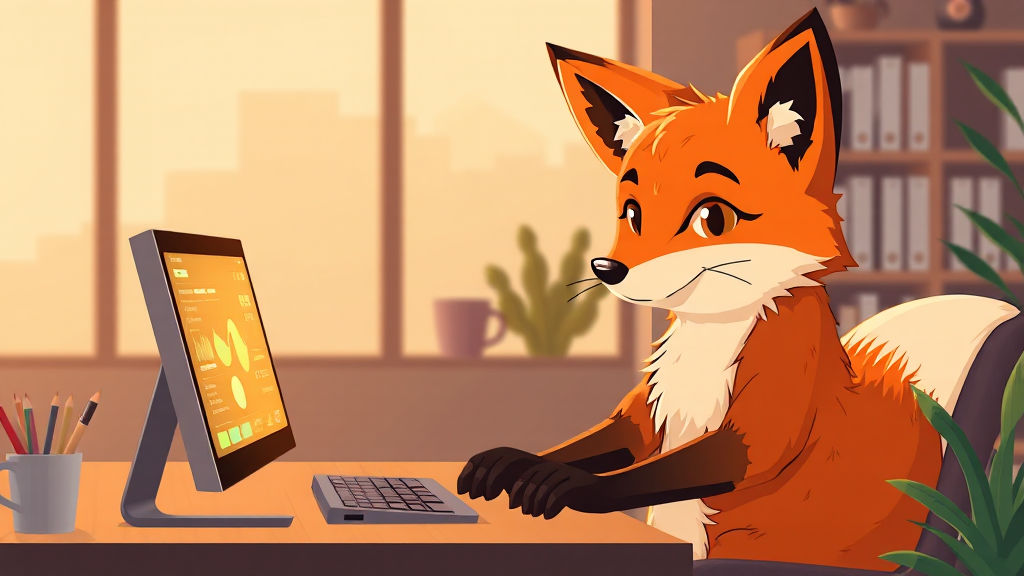
Furry AI Chat: How Anthropomorphic Characters Are Reshaping Digital Conversation
Digital conversation has quietly undergone a transformation that few predicted a decade ago. Instead of typing to faceless chatbots that respond with sterile, corporate phrasing, millions of people now seek out characters with personality, backstory, and visual identity. Among the most vibrant corners of this shift is furry AI chat, a space where anthropomorphic animals become conversational partners rather than static illustrations. Platforms like furry ai chat have turned what was once a niche internet subculture into a mainstream curiosity, blending character design, narrative roleplay, and large language models into something genuinely new.
Understanding why this trend matters requires looking beyond the novelty of talking to a fox or a wolf. It touches on identity, creativity, loneliness, storytelling, and the way modern software learns to mirror human emotion. This article explores the mechanics, the appeal, the ethical questions, and the practical ways people are engaging with furry AI characters today.
What Exactly Is Furry AI Chat?
At its core, furry AI chat refers to conversational AI systems where the persona you interact with is an anthropomorphic animal character. These characters combine human-like speech, emotions, and reasoning with animal traits such as ears, tails, fur patterns, and species-specific personalities. A dragon might speak with ancient formality, while a raccoon could be mischievous and quick-witted. The AI model behind the character generates responses in real time, adapting tone, vocabulary, and memory to the flow of the conversation.
The technology stack usually involves three layers. First, a large language model handles language understanding and generation. Second, a character layer applies personality instructions, speech quirks, and background lore. Third, a presentation layer often includes generated portraits, avatars, or animated expressions that give the character a visual presence. When these layers align, the experience feels less like querying a search engine and more like messaging a friend who happens to have paws.
What separates furry AI chat from generic chatbot experiences is intentionality. Users are not just asking for facts. They are building relationships, co-writing stories, exploring romantic or platonic dynamics, and experimenting with personas that feel safe precisely because they are fictional. The anthropomorphic framing lowers social pressure while raising creative possibility.
Why Anthropomorphic Characters Resonate So Strongly
Humans have told stories about talking animals for thousands of years. From Aesop’s fables to animated films, animal characters let us explore human dilemmas at a comfortable distance. Anthropomorphism gives writers and readers a mask that reveals rather than hides. When a character is part fox, part person, audiences can project complex emotions onto them without the baggage of real-world identity politics.
In conversational AI, this effect intensifies. A human-looking avatar might trigger comparisons to real people, raising expectations about realism and appearance. An anthropomorphic character sidesteps those comparisons. Users focus on personality, voice, and narrative fit. The result is a space where shy users feel more comfortable flirting, arguing, comforting, or brainstorming. The character becomes a creative collaborator rather than a mirror of the user’s own social anxieties.
There is also a strong aesthetic dimension. Furry art and character design have evolved into a sophisticated visual language with distinct styles, color palettes, and species conventions. AI chat platforms that respect this language attract users who care deeply about visual coherence. A well-designed character portrait paired with consistent personality writing creates immersion that text alone cannot achieve.
The Technology Behind Character-Driven Conversation
Building a believable furry AI character is harder than it looks. Language models are trained on vast text corpora, which means they default to neutral, helpful, and somewhat bland tones. To create a character, developers use system prompts, fine-tuning, or retrieval systems that inject personality rules. These rules might specify that the character speaks in short sentences, uses archaic vocabulary, avoids modern slang, or reacts defensively when teased.
Memory is another critical component. A conversation that forgets what happened five messages ago breaks immersion immediately. Modern furry AI chat systems use context windows, summarization, and sometimes vector databases to retain details about the user, the relationship, and past events. This allows callbacks, inside jokes, and emotional continuity that make the interaction feel real over time.
Safety layers also matter. Because these characters can discuss romance, conflict, and sensitive topics, platforms implement moderation, content filters, and user controls. The goal is to allow creative freedom while preventing harm. The best implementations are transparent about their limits and give users clear ways to reset, block, or report problematic interactions.
Finally, visual generation plays a growing role. Some platforms generate new portraits or expressions based on conversation mood. Others let users customize species, fur color, accessories, and body type. This customization deepens attachment and turns each character into a personal creation rather than a pre-packaged product.
Use Cases Beyond Roleplay and Romance
While romantic and adventurous roleplay often dominate headlines, furry AI chat serves many quieter purposes. Writers use anthropomorphic characters to brainstorm dialogue for novels, comics, and games. The character’s distinct voice helps break through writer’s block because the AI responds in a consistent persona rather than generic prose.
Language learners practice conversation with characters who are patient, non-judgmental, and available at any hour. A German-speaking otter or a Japanese-speaking fox can turn vocabulary drills into something closer to play. Because the character has a personality, learners stay engaged longer than they would with flashcard apps.
Therapy-adjacent use is another emerging area, though it comes with caveats. Some users find comfort in talking through anxiety or loneliness with a character that never tires or judges. Mental health professionals generally caution that AI is not a substitute for human care, but as a supplementary journaling or reflection tool, it can help people articulate feelings they struggle to name.
Game masters and tabletop players use furry AI characters as improvisational non-player characters. Instead of preparing every tavern keeper and villain in advance, a game master can generate personalities on the fly and let the AI handle dialogue. This keeps sessions dynamic and reduces preparation burden.
Designing a Character That Feels Alive
For users who want to create their own furry AI companion, a few principles separate forgettable chatbots from memorable characters. First, define a core contradiction. A character who is brave but afraid of thunderstorms, or elegant but terrible at cooking, feels more human than a list of positive traits. Contradictions create conversation hooks.
Second, give the character a specific vocabulary. Maybe they never use contractions, or they call the user by a nickname only they use, or they describe emotions through weather metaphors. Small linguistic quirks do more for immersion than elaborate backstories.
Third, establish boundaries and goals. A character who wants something from the conversation, whether information, comfort, or a shared adventure, drives interaction forward. Passive characters fade into the background.
Fourth, iterate based on transcripts. Read back through conversations and notice where the character broke form or responded generically. Adjust the personality instructions accordingly. Over time, the character becomes more consistent and more distinctly themselves.
Ethical and Social Considerations
Any technology that simulates relationships raises questions. Critics worry that furry AI chat could deepen isolation by replacing human contact with frictionless fantasy. Defenders argue that for many users, especially those in rural areas, with social anxiety, or within marginalized communities, AI characters provide a low-stakes way to practice connection before seeking it in the real world.
There is also the question of data privacy. Intimate conversations contain sensitive information. Users should understand what platforms store, how long they keep it, and whether conversations train future models. Transparent policies and user-controlled deletion are essential.
Another concern is emotional dependency. When a character is always available, always patient, and always tailored to your preferences, real relationships can feel comparatively difficult. Healthy use involves balance, self-awareness, and honest reflection about what the AI provides and what it cannot.
Finally, the furry community itself has mixed feelings. Some celebrate the visibility and creative tools. Others worry that mass-produced AI characters dilute the handmade, personal nature of fursonas and commissioned art. Respectful platforms acknowledge these tensions and support human artists alongside AI features.
The Road Ahead for Furry AI Chat
Expect several developments in the coming years. Voice interaction will become more natural, allowing characters to speak with distinct accents and emotional tones. Visual generation will move from static portraits to real-time animated expressions that react to conversation mood. Memory systems will improve, enabling characters to remember months of history without losing coherence.
Cross-platform identity is another likely step. A character you create on one service might eventually travel with you to others, carrying personality and history like a digital companion. This raises interoperability questions but also opens creative possibilities for persistent storytelling.
Community features will also evolve. Shared character libraries, collaborative story worlds, and moderated roleplay spaces could turn solitary chats into social experiences. The line between a chatbot and a virtual world will blur.
What remains constant is the core appeal. People want to talk to characters that feel alive, that remember them, and that offer a safe stage for imagination. Furry AI chat sits at the intersection of technology and storytelling, and that intersection is only getting richer.
Frequently Asked Questions
Is furry AI chat safe to use?
Safety depends on the platform. Reputable services offer content moderation, user controls, privacy policies, and clear reporting tools. Users should review these features before sharing personal information and should treat AI characters as entertainment rather than professional advice.
Can I create my own furry AI character?
Yes. Many platforms allow users to define species, personality, backstory, and speech style. The best results come from specific, contradictory traits and consistent vocabulary rather than long lists of generic adjectives.
Does furry AI chat replace human relationships?
It should not. AI characters can supplement creativity, comfort, and social practice, but they cannot replicate mutual human care. Healthy use involves maintaining real-world connections and being honest about what the AI provides.
Are furry AI characters only for roleplay and romance?
No. People use them for writing, language learning, game mastering, brainstorming, and casual conversation. Romance is one use case among many, and platforms increasingly support diverse interaction styles.
What should I look for in a furry AI chat platform?
Look for transparent privacy policies, strong moderation, customizable characters, reliable memory, and respectful treatment of the furry community. A platform that supports human artists and offers clear user controls is usually a better long-term choice.